
Agriculture and Farming in the USA: A Complete Guide for Farmers and Agribusinesses
Explore agriculture and farming in the USA, including crop production, livestock, sustainable farming, modern agricultural technology, agribusiness opportunities, and digital marketing strategies to help farmers and agricultural businesses grow.
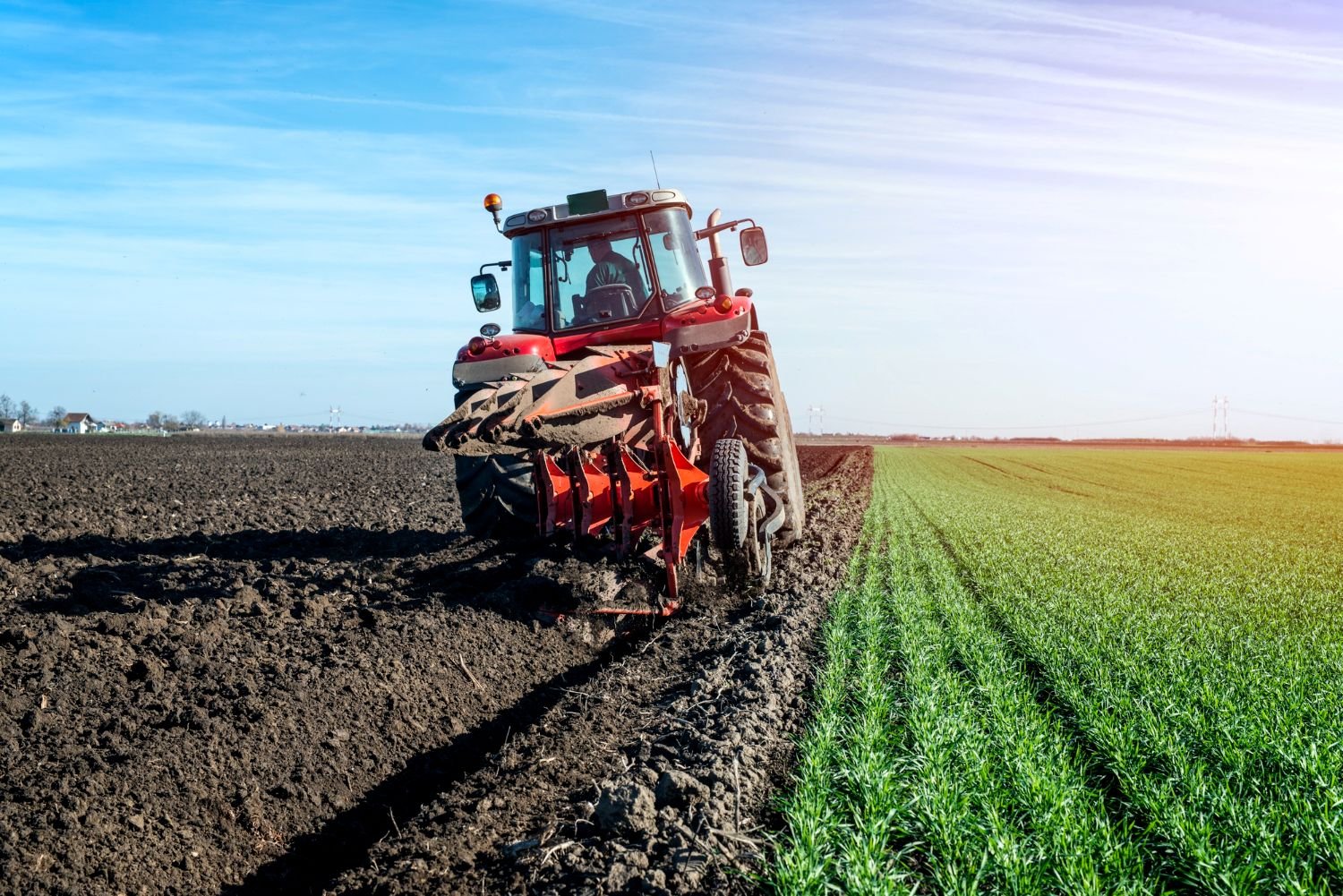
Agriculture and Farming in the USA: A Complete Guide for Farmers and Agribusinesses
Agriculture and farming are essential parts of the United States economy, providing food, raw materials, employment, and business opportunities across the country. From family-owned farms and livestock operations to large commercial agricultural enterprises, the farming industry supports rural communities and contributes to the nation's food supply.
Modern agriculture in the USA combines traditional farming knowledge with advanced machinery, digital technology, sustainable practices, and innovative business strategies. Whether you are an established farmer, a new agricultural entrepreneur, or a business looking to enter the farming industry, understanding current agricultural practices can help you identify opportunities for growth.
What Is Agriculture and Farming?
Agriculture involves cultivating crops, raising livestock, managing agricultural land, and producing food and other useful materials. Farming is a major part of agriculture and includes activities ranging from growing vegetables and grains to raising cattle, poultry, and other animals.
In the United States, agriculture includes several important sectors:
- Crop farming and grain production
- Livestock and cattle farming
- Dairy farming and milk production
- Poultry and egg production
- Fruit, vegetable, and specialty crop farming
- Organic farming and sustainable agriculture
- Greenhouse farming and nursery operations
- Agricultural equipment and machinery
- Farm management and agricultural consulting
- Agricultural supply, distribution, and processing
1. Major Types of Farming in the United States
Crop Farming
Crop farming involves growing plants for food, animal feed, industrial use, and other commercial purposes. Common crops in the United States include corn, soybeans, wheat, cotton, rice, fruits, and vegetables.
Successful crop production depends on soil quality, climate, water availability, seed selection, pest management, and effective farm planning. Farmers can improve efficiency by monitoring crop conditions and selecting varieties suited to their local growing environment.
Livestock Farming
Livestock farming focuses on raising animals for meat, dairy products, breeding, and other agricultural purposes. Cattle, pigs, sheep, and goats are among the animals raised by American livestock producers.
Livestock operations require appropriate nutrition, veterinary care, clean water, suitable housing, and responsible animal management. Farmers should also understand applicable animal health, transportation, environmental, and food safety requirements.
Dairy and Poultry Farming
Dairy farms produce milk and related products, while poultry farms raise chickens, turkeys, and other birds for meat and egg production. These businesses rely on careful feeding, hygiene, disease prevention, and efficient production systems.
Technology such as automated feeding systems, temperature monitoring, and digital recordkeeping can help eligible operations manage their daily activities more efficiently.
Organic and Specialty Crop Farming
Organic farming emphasizes production methods that follow applicable organic standards. Specialty crop farming includes products such as fruits, vegetables, tree nuts, herbs, and nursery plants.
Farmers interested in organic production should understand USDA organic requirements and certification rules before marketing products as certified organic. Demand and profitability vary by product, location, and market conditions.
2. Modern Agricultural Technology and Smart Farming
Technology is changing how American farmers manage crops, livestock, equipment, and resources. Precision agriculture uses data and technology to help farmers make more informed operational decisions.
Examples of modern agricultural technology include:
- GPS-guided tractors and agricultural machinery
- Soil moisture sensors and irrigation monitoring
- Drones for crop observation and field mapping
- Satellite imagery for monitoring field conditions
- Farm management software and digital records
- Automated greenhouse climate control
- Livestock monitoring and identification systems
- Weather forecasting and crop planning tools
These technologies can help farmers monitor field conditions, improve resource management, and identify potential problems. The benefits depend on farm size, equipment costs, local conditions, and how effectively the technology is used.
3. Sustainable Agriculture and Soil Conservation
Sustainable agriculture focuses on managing natural resources responsibly while supporting long-term farm productivity. Soil health, water conservation, biodiversity, and efficient resource use are important considerations for farms throughout the United States.
Farmers can explore sustainable practices such as:
- Crop rotation to support soil health
- Cover crops to reduce erosion and improve soil protection
- Efficient irrigation and water management
- Integrated pest management
- Reduced tillage where appropriate
- Responsible fertilizer and nutrient management
- Composting and appropriate organic matter management
- Planting field borders and maintaining beneficial habitats
The most suitable approach depends on soil type, climate, crop selection, farm resources, and local agricultural guidance. Farmers can contact their local USDA Natural Resources Conservation Service office for information about conservation practices and potential assistance programs.
4. How to Start a Farming Business in the USA
Starting a farming business requires research, planning, capital, and an understanding of applicable regulations. New farmers should evaluate their land, production goals, available resources, and potential customers before investing in equipment or livestock.
- Choose a farming niche: Decide whether to focus on crops, livestock, dairy, poultry, greenhouse production, nursery plants, or another agricultural activity.
- Research the local market: Identify potential customers, competitors, suppliers, seasonal demand, and suitable sales channels.
- Prepare a business plan: Estimate startup costs, operating expenses, expected revenue, labor requirements, and financial risks.
- Select suitable land: Evaluate soil conditions, water access, climate, zoning rules, and infrastructure requirements.
- Choose a business structure: Consider an appropriate legal structure and understand the associated tax and registration requirements.
- Review permits and regulations: Check applicable federal, state, county, and local requirements for your farming activity.
- Plan financing and insurance: Evaluate available funding options, working capital needs, and relevant agricultural insurance.
- Build a sales strategy: Consider wholesale buyers, farmers markets, restaurants, retailers, cooperatives, and direct-to-consumer sales.
New agricultural entrepreneurs can explore resources from the USDA and the U.S. Small Business Administration to learn about business planning, financing, and relevant assistance programs.
5. Agricultural Business Opportunities in America
The American agricultural industry offers opportunities beyond traditional crop and livestock production. Businesses can serve farmers directly or participate in processing, distribution, technology, and agricultural services.
Potential agricultural business opportunities include:
- Farm equipment sales and repair
- Seeds, fertilizers, and agricultural supplies
- Greenhouse construction and management
- Organic produce and specialty crop production
- Farm consulting and crop management
- Agricultural drone and precision farming services
- Livestock feed and veterinary supply businesses
- Food processing, packaging, and distribution
- Farm irrigation and water management systems
- Agricultural transportation and logistics
Before entering a market, evaluate startup costs, licensing requirements, customer demand, competition, and operational risks. No agricultural business guarantees a profit, and results depend on local conditions and management decisions.
6. Financial Planning and Farm Management
Good financial management helps farmers understand production costs, monitor cash flow, and plan for seasonal changes in revenue and expenses.
Important farm management practices include:
- Recording seed, fertilizer, feed, fuel, and labor expenses
- Tracking crop yields and livestock production
- Maintaining equipment and maintenance records
- Monitoring inventory and sales revenue
- Planning for seasonal operating costs
- Maintaining appropriate tax and financial documentation
- Reviewing insurance coverage and financial risks
Farmers should maintain accurate records and consult qualified accounting or tax professionals when necessary. Agricultural tax treatment can depend on the type of operation, assets, expenses, and applicable federal and state rules.
7. Challenges Facing Farmers in the USA
Farming involves financial and operational risks that can affect both small family farms and large agricultural businesses.
- Weather uncertainty: Droughts, floods, storms, and extreme temperatures can affect production.
- Input costs: Changes in fuel, fertilizer, feed, seed, labor, and machinery prices can affect profitability.
- Market fluctuations: Commodity prices and customer demand can change during the growing season.
- Water availability: Irrigation access and water restrictions can influence crop choices and yields.
- Pests and diseases: Crop pests and livestock diseases can create production losses.
- Labor availability: Seasonal staffing and labor costs can create operational challenges.
- Technology investment: Modern machinery and digital tools can require substantial upfront investment.
Farmers can manage some risks through diversified production, careful budgeting, appropriate insurance, market research, conservation practices, and reliable agricultural advice.
8. Government Resources and Support for American Farmers
Several government agencies provide agricultural information, conservation resources, market data, and assistance programs. Eligibility and program availability depend on the specific program and applicant.
- USDA — Agricultural information, policies, and department resources.
- Farmers.gov — Information about farm programs, loans, conservation, and risk management resources.
- USDA Natural Resources Conservation Service — Soil, water, and conservation assistance information.
- Farm Service Agency — Information about farm loans and applicable agricultural programs.
- U.S. Small Business Administration — Business planning, management, and financing guidance.
Farmers should review official program requirements and deadlines before applying for assistance or making financial decisions.
9. How Digital Marketing Helps Agricultural Businesses Grow
Digital marketing can help agricultural businesses reach customers, promote products, and build relationships with buyers. A strong online presence can be particularly useful for farms selling directly to consumers or businesses offering agricultural services.
Useful digital marketing strategies include:
- Creating a professional farm or agribusiness website
- Optimizing website content for agricultural search terms
- Publishing helpful articles about farming products and services
- Using social media to showcase farm activities and products
- Creating accurate business listings and contact information
- Collecting genuine customer reviews
- Using online advertising to reach relevant customers
- Providing clear product information and inquiry options
For example, a farm equipment supplier can publish information about machinery maintenance, while a vegetable farm can promote seasonal availability and local delivery options.
Businesses should ensure that online product descriptions, certifications, sustainability claims, and customer reviews are accurate and comply with applicable requirements.
10. Discover Agriculture and Farming Businesses on Leadsturn
Finding reliable agricultural suppliers and service providers is important for farmers, landowners, agribusiness entrepreneurs, and agricultural companies.
Leadsturn is an online business discovery and directory platform that helps users explore business services and improve business visibility across the United States.
When looking for agricultural businesses, consider searching for:
- Farms and agricultural producers
- Farm equipment suppliers
- Agricultural machinery repair services
- Seeds, fertilizer, and farm supply dealers
- Livestock and poultry businesses
- Greenhouse and nursery suppliers
- Agricultural consultants
- Irrigation and farm management services
- Organic produce suppliers
- Agricultural transportation and distribution companies
Before working with a supplier or service provider, verify its qualifications, product quality, business details, pricing, delivery arrangements, and relevant certifications.
Agricultural businesses can also use online directories to present their services, share contact information, and help potential customers discover their products.
Explore Leadsturn to discover business listings and services across the USA.
Frequently Asked Questions (FAQs)
What are the main types of agriculture in the USA?
Major agricultural activities include crop farming, livestock production, dairy farming, poultry farming, specialty crop production, greenhouse operations, and nursery businesses.
How can I start a small farming business in the USA?
Start by selecting a farming activity, researching local demand, preparing a business plan, evaluating land and equipment needs, checking applicable regulations, and planning your financing and sales strategy.
Is farming profitable in America?
Farming can provide business opportunities, but profitability varies according to crop or livestock selection, land and equipment costs, weather, market prices, operating expenses, and management.
What is sustainable agriculture?
Sustainable agriculture focuses on responsible resource management, soil conservation, efficient water use, and farming practices designed to support long-term agricultural productivity.
How does technology help farmers?
Technology such as GPS-guided equipment, soil sensors, farm management software, drones, and automated systems can help farmers monitor conditions and manage resources more effectively.
Where can farmers find agricultural assistance in the USA?
Farmers can explore official resources from the USDA, Farmers.gov, the Farm Service Agency, and the Natural Resources Conservation Service to learn about agricultural programs and available support.
How can agricultural businesses attract more customers?
Agricultural businesses can improve their online visibility through a professional website, search engine optimization, accurate business directory listings, social media, useful content, and targeted advertising.
Conclusion
Agriculture and farming remain important industries in the United States, supporting food production, rural communities, and a wide range of related businesses. Advances in technology, sustainable resource management, financial planning, and digital marketing provide farmers with additional ways to improve operations and reach customers.
Whether you manage a family farm, operate an agricultural supply company, or plan to start an agribusiness, careful research and effective management are essential for long-term success.
Explore Leadsturn to discover agricultural businesses, farming services, suppliers, and other business opportunities across the USA.